Harnessing Nature’s Genius – How Biomimicry Fuels Innovation and Sustainable Solutions
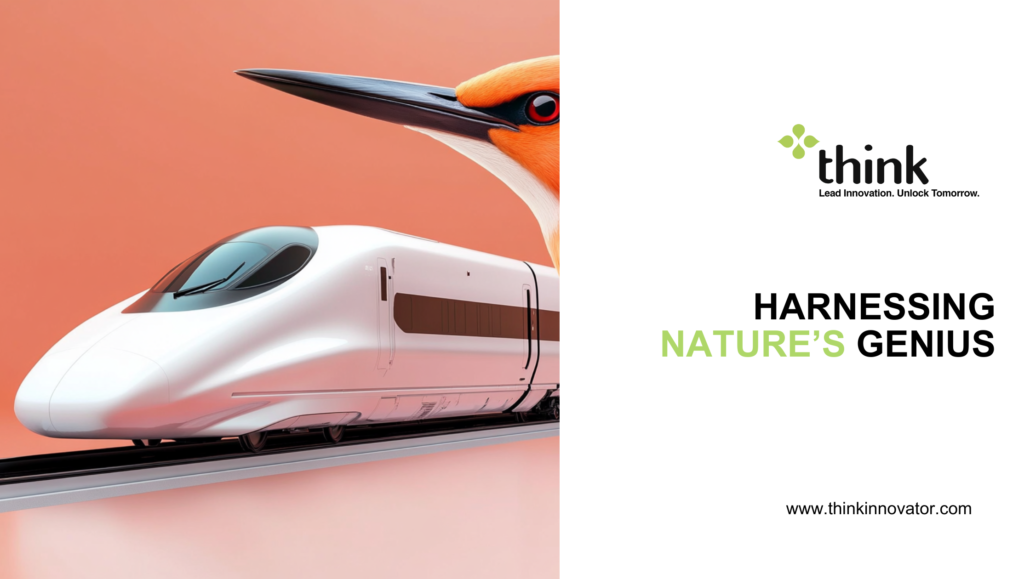
Innovation has often been perceived as the domain of human ingenuity, but many of the best solutions come from an unlikely source: nature itself. Biomimicry, an innovative approach to problem-solving, it involves studying and emulating the designs, processes, and ecosystems found in nature to develop sustainable and efficient solutions to human challenges. By tapping into the wisdom embedded in billions of years of natural evolution, biomimicry enables us to create technologies and strategies that are not only innovative but also eco-friendly.
In this post, we will explore biomimicry in-depth, provide practical examples of how it has already influenced modern life, and offer actionable steps for leveraging biomimicry to create practical solutions, especially in the context of Environmental, Social, and Governance (ESG) strategies.
What is Biomimicry?
Biomimicry is the practice of looking to nature for inspiration to solve human challenges. The basic premise is that nature, through millions of years of evolution, has already solved many of the problems we face today. From the way organisms create efficient energy systems to the structural genius of natural forms, nature provides countless lessons.
As a design method, biomimicry has three key principles:
- Emulating nature’s models: Study the processes, designs, and strategies found in nature, and mimic them to solve human problems.
- Using nature as a measure: Evaluate the sustainability of our innovations by comparing them to how nature operates. Nature works in cycles, with no waste, and has been optimizing for resilience.
- Viewing nature as a mentor: Rather than exploiting nature, biomimicry encourages us to learn from it. It shifts our perspective from one of domination over nature to one of collaboration.
Practical Examples of Biomimicry in Everyday Life
While biomimicry might sound like a futuristic concept, many innovations we use today are already inspired by nature. Below are several real-world examples:
- Velcro: Burrs and Hooks
One of the most well-known examples of biomimicry is Velcro, a product inspired by the tiny hooks found on plant burrs that attach themselves to animal fur. Swiss engineer George de Mestral invented Velcro in the 1940s after noticing how burrs clung to his dog’s fur during a walk. He closely examined the structure of the burrs and used that design to create a fastener system. Today, Velcro is used in countless applications, from clothing to space exploration.
- Kingfisher-Inspired Bullet Trains
In Japan, engineers faced a significant challenge with the Shinkansen bullet trains: as the trains emerged from tunnels, they caused loud sonic booms due to air pressure changes. Eiji Nakatsu, an engineer and avid birdwatcher, noticed that the kingfisher bird dives into water with barely a splash, thanks to the shape of its beak. He applied this observation to redesign the nose of the train, dramatically reducing noise and improving speed and energy efficiency.
- Energy-Efficient Buildings: Termite Mounds
In Zimbabwe, architects designed the Eastgate Centre, a shopping mall and office building, to mimic the natural cooling processes found in termite mounds. Termite mounds maintain a constant internal temperature despite fluctuating external temperatures by using a series of vents to circulate air. The Eastgate Centre uses a similar passive cooling system, reducing the need for air conditioning by up to 90%, making the building highly energy-efficient.
- Sharkskin-Inspired Surfaces
Shark skin has tiny, tooth-like scales called denticles that reduce drag and prevent bacterial growth. This discovery led to the development of a material called Sharklet, which is used to create surfaces resistant to bacteria. This innovation is particularly useful in hospitals, where Sharklet surface coverings can help reduce the spread of infections without the use of chemicals or antibiotics.
- Butterfly Wings and Color without Pigments
Some species of butterflies have vivid colors not because of pigments, but due to the microscopic structures on their wings that reflect light. These nanostructures have inspired the development of color coatings for various products, such as cars and screens, that do not fade over time like traditional pigments. This innovation can lead to more sustainable products, as fewer resources are needed to create long-lasting, vibrant colors.
Biomimicry for ESG Solutions: Practical Steps for Design
Environmental, Social, and Governance (ESG) considerations have become central to how companies design products and solutions. Biomimicry offers an ideal pathway for creating sustainable ESG strategies, as it naturally aligns with environmental stewardship, resource efficiency, and socially responsible innovation.
Here’s how you can apply biomimicry to design effective ESG solutions:
- Identify the Challenge with Clarity
First, clearly define the specific challenge you aim to address. Whether it’s reducing waste, improving energy efficiency, or minimizing your environmental impact, having a well-defined problem is crucial. For example, you might focus on developing packaging that minimizes plastic use, or a product that requires less energy to manufacture or use.
- Look to Nature for Inspiration
Once the challenge is clear, research how nature solves similar problems. Start by asking questions like:
– How does nature manage resources efficiently?
– How do ecosystems maintain balance without generating waste?
– What natural processes can I mimic to design a more sustainable product?
For instance, if you are looking for ways to reduce energy consumption, study how plants convert sunlight into energy through photosynthesis, or how certain organisms store energy for later use.
- Collaborate with Biologists or Ecologists
Biomimicry is inherently interdisciplinary. While designers and engineers bring technical expertise, collaborating with biologists or ecologists who understand natural systems can provide fresh insights. This collaboration can help translate nature’s processes into practical, scalable solutions.
- Prototype and Test
After identifying nature-inspired solutions, begin prototyping. This might involve creating a product prototype or developing new business processes modeled after nature’s efficiency. Test these prototypes under various conditions, just as nature continually refines and adapts over time.
For example, if you are designing sustainable packaging, you might prototype biodegradable materials inspired by how plant leaves decompose or how mollusk shells are formed from natural minerals. Testing and refinement will ensure the design is both functional and eco-friendly.
- Measure Sustainability
One of the most important steps in using biomimicry for ESG solutions is measuring the sustainability of your design. Nature operates in a closed-loop system where waste from one process becomes the input for another. As you develop your solution, evaluate how it mimics this regenerative cycle. Is the product or process waste-free? Is it energy-efficient? Can it be easily recycled or composted? These criteria will help ensure that your biomimetic innovation aligns with ESG goals.
- Implement and Educate
Once the biomimetic solution is ready for implementation, integrate it into your company’s product or service offerings. At the same time, educate your team and stakeholders about the benefits of biomimicry and the specific natural systems that inspired the solution. This awareness fosters a greater appreciation for sustainability and innovation across the organization.
Biomimicry offers a powerful lens through which to view and solve the pressing challenges we face today. By emulating nature’s time-tested strategies, we can create solutions that are not only innovative but also sustainable, resilient, and efficient. The practical examples of Velcro, bullet trains, and energy-efficient buildings demonstrate how biomimicry is already shaping the world around us.
In the context of ESG, biomimicry holds immense potential for creating environmentally responsible products, processes, and policies. By following the practical steps outlined above, companies can harness nature’s genius to drive sustainable innovation, reduce their environmental footprint, and build a better future for all.
At think Innovator not only do we encourage the use of biomimicry for solution and product design, we also train teams how to tap into nature and it’s inherent qualities to unlock new ideas to everyday challenges encountered.


 thinkinnovator.com
 thinkinnovator.com
Leave a Reply
Want to join the discussion?Feel free to contribute!